It can be scary when you suddenly get severe and constant pain in your teeth. A lot of people have a hard time deciding whether to call an emergency dentist right away or wait for a regular appointment. Knowing the difference between urgent and non-urgent situations can help you keep your mouth healthy and avoid stress.
This guide talks about what causes ongoing pain, what counts as a dental emergency, and when it's okay to wait for regular dental care.
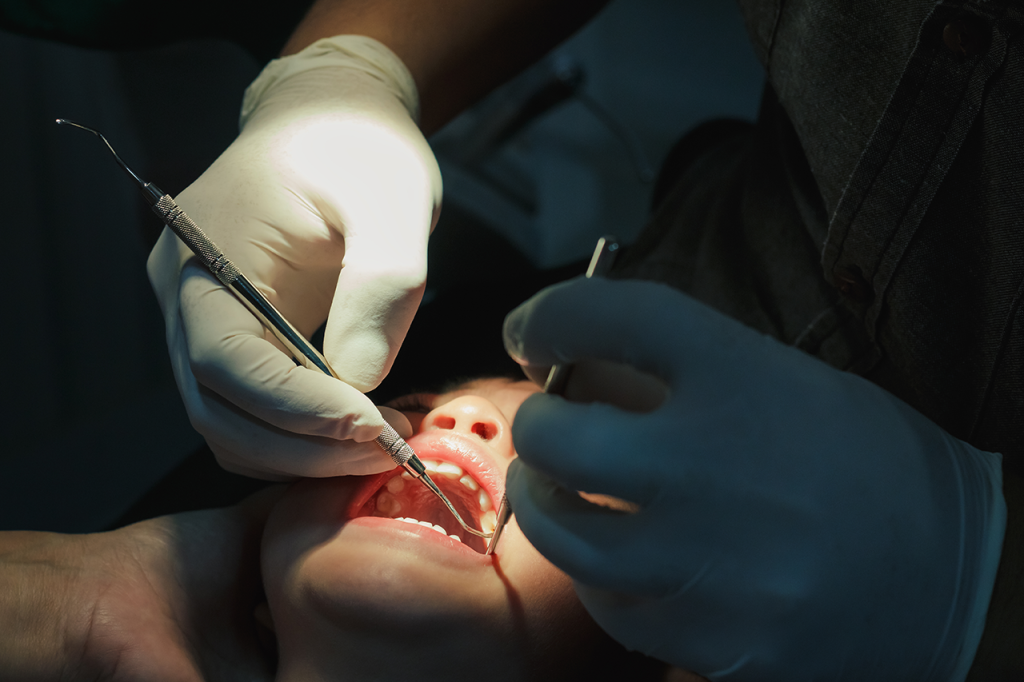
What Severe Tooth Pain Means and How to Deal with It
If you have a toothache that won't go away, it could be a sign that something more serious is going on. Minor irritation can cause some pain, but if you have tooth pain that doesn't go away, it could be a sign of an infection, gum disease, problems with your wisdom teeth, or problems with work that was done on your teeth in the past. In some cases, the pain is caused by trauma, swelling, or bleeding, which may need to be treated right away by an emergency dentist.
Never ignore toothaches that get worse when you chew, becomes sharp or throbbing, or spreads to your jaw or ear. Not every case needs immediate emergency care, but if you're still in pain, it's a sign that the dentist needs to find out what's causing it.
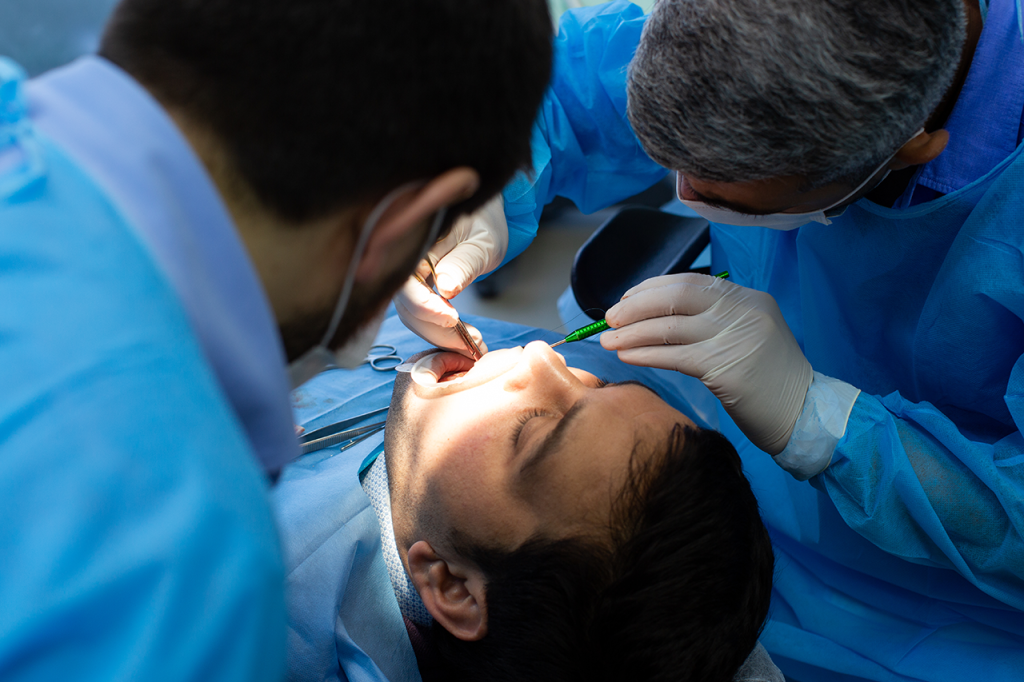
When Severe Tooth Pain Counts as a Dental Emergency
It's clear that you need to see an emergency dentist in some cases, especially when the symptoms suggest an infection, tooth loss, injury, or rapid tooth decay. A dental emergency usually means sudden or severe pain, visible damage, or symptoms that could hurt your oral health in the long run.
If the pain is accompanied by a fever, swelling of the face, or trouble opening the mouth, it could be a sign of an infection that is spreading. You should see an emergency dentist as soon as possible in this kind of situation because things can get worse very quickly. If you don't treat an infection, it can get worse and cause problems like losing teeth or getting sick all over your body.
Trauma to the mouth is another situation that needs immediate attention. Sports accidents, falls, or unexpected hits can break, dislodge, or crack teeth. If a dental crown or bridge breaks or falls out, the area that is exposed may become very sensitive. An emergency dentist can fix the problem and stop it from getting worse.
If you are bleeding heavily and it doesn't stop, especially after an injury, you should also get help right away. Brushing or flossing can cause small amounts of bleeding, but if the bleeding keeps happening, it could be a sign of more serious problems like advanced gum disease or damage inside the body.